The Tide That Carries Us To Shore
How Ian Thomson navigated the uncertain waters of queer identity and fatherhood to find his authentic self.
By Words from Ian Thomson
The North Sea
The Tide That Carries Us To Shore
How Ian Thomson navigated the uncertain waters of queer identity and fatherhood to find his authentic self.

The North Sea
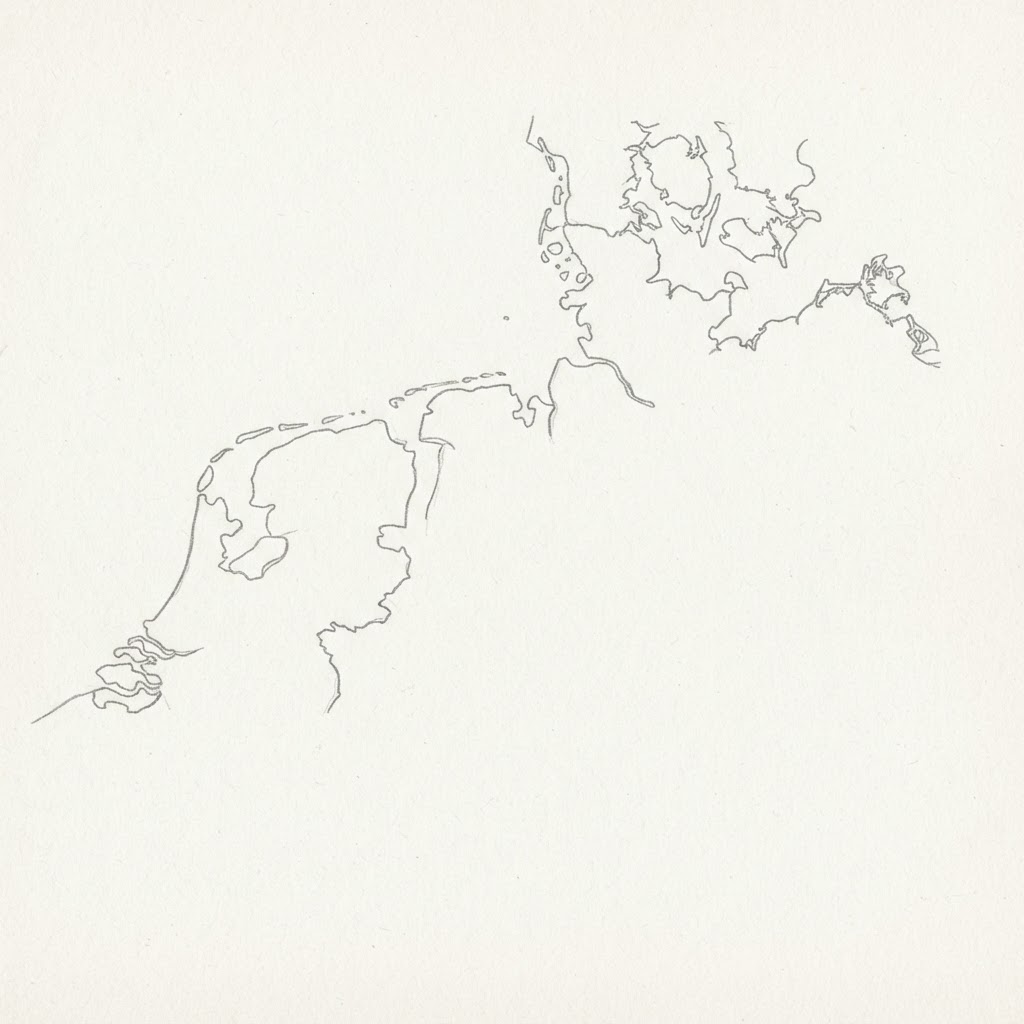
The water in the North Sea is rarely inviting. It is grey, biting, and often churns into a mess of choppy, brown foam. Yet, for Ian Thomson, these waves were a lifeline. He remembers waiting on the shore in North Germany, dripping wet, the cold air stinging, waiting for his three teenage sons to follow him in from a surf. They are a team: travelling, sleeping in cars, sharing waves, playing volleyball on the beach until the light fades. For Ian, this is the hard-won result of a decade spent navigating a bitter divorce and an ocean of distance. "That is the best thing ever," he says, sharing waves with his sons. "I feel like these are the only guys that see me for who I really am and love me regardless."
Surf Culture
Ian was not born to the water. Raised in a country family far from the East Coast of Australia, he didn't discover the ocean until the family moved to Sydney. His father would often wake him before dawn and drive Ian and his sisters to Freshwater Beach for a swim before school. The ocean felt like a second home, but surf culture felt like a closed door.

His father had taught him how to read waves and he'd become a handy body surfer, but among the board riders there was a brutal pecking order. For a boy hiding the secret of his sexuality, the putdowns and abuse he witnessed in the lineup felt like a minefield. "There was no space for variations or shades of difference," Ian reflects. "It was a top down, dog-eat-dog hierarchy."
The Journey to Self
Ian spent years trying to bury the fact that he was drawn to men. And instead pursued the conventional markers of a life well-lived: a straight marriage, a career, fatherhood. But after the early years of supporting a young family between Europe and Australia, the secret that Ian was trying so hard to eliminate had become the festering seed of self-hate. Sitting alone on a beach in Byron Bay, he finally started to understand that this part of himself couldn't be destroyed, it needed to be given some light. It needed permission to exist. It needed to be loved. He looked at the horizon, and the ocean didn't reflect a lie back to him.

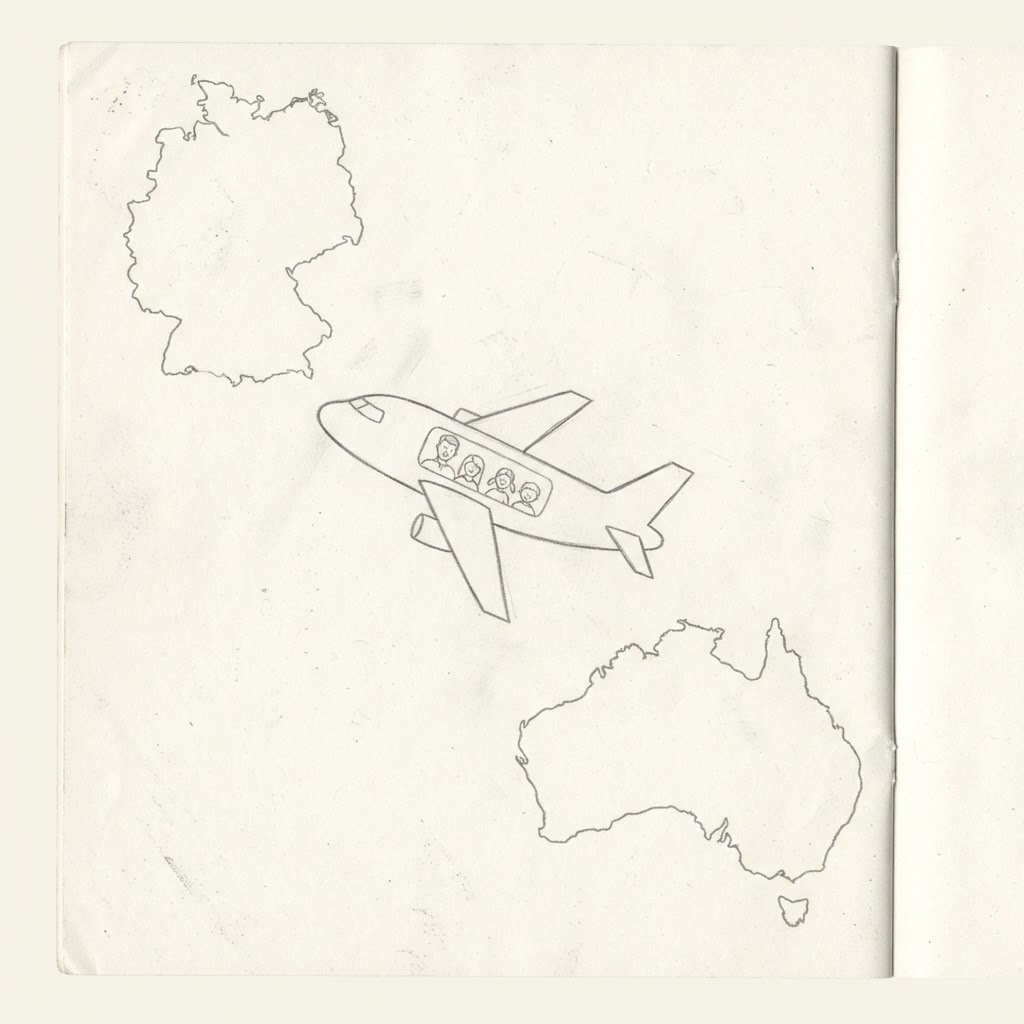
He realized that the greatest gift he could offer his sons was not a pro forma performance of a father, but to be the best role model he could be - a man living his authentic self. The cost was high—the end of his marriage, the removal of his children to Germany, and years of legal battles—but the horizon had opened up.
Personal growth
I realized the ocean didn't reflect a lie back to me.

Seeking Community
Coming out at thirty-four and moving to Germany meant rebuilding from the ground up. He found connection through sports — the gay volleyball team, the queer tennis group — but he still felt like an outsider in the gay world. "My experience coming from a conservative country family and as a father was so different to the men I was meeting who were immersed in popular queer culture and the bar and party scene". And he lived in the shadows of the very waves he loved, convinced that the gay community and the surf world were two continents that could never be bridged. He was a man holding his breath, waiting for a chance to exhale.
New South Wales
The ocean never demands you to be anything other than yourself

Out in the Lineup
Fast forward 15 years. Having returned to Australia after his sons completed their schooling, everything shifted during a surf trip to Byron Bay. Over a beer with a couple of fellow surfers — Thomas Castets, a Frenchman living in Australia (who had just built the world's first website for gay surfers), and Dave Wakefield, a talented free surfer on the precipice of his coming out—the walls between Ian’s lives began to crack. Together they decided to make a documentary about the queer surfing community.

Over two years, the friends travelled the world holding space for the stories of others in what became the award-winning feature 'Out in the Lineup'. They met world champions, professionals, big wave riders as well as everyday surfers, realizing that the ocean doesn't care about your orientation. It's there for everyone. "I realized that the joy of surfing isn't about being the best," he says. "It’s about finding the right wave, the right board, the right community."
Surfing the Rainbow
Celebrating the success of the documentary was a great start, but Ian still felt it was difficult to enjoy surfing the crowded Sydney breaks and build deeper connections with other surfers. That is until he stepped into his first gay surf retreat in Bali. There, the hierarchy vanished. Beginners and experts alike were cheering for one another, stripping away the ego that made it hard to compete for waves and your place in the lineup. It was the antithesis of the toxic masculinity he experienced as a teenager.

Today, Ian sees surfing not as a battle for dominance, but as a practice of community. He points to his time in Bali, where local surfers managed the break by prioritizing connection over ego. That is the future he wants: a world where waves are shared, not claimed. He carries this philosophy back to his young grandsons (he now also has 3 of those), sharing the love of the ocean and riding green waves.

The paddle out was rough. He knows the take-offs he chose weren't the easiest. But he remains a man anchored by the tide. "I feel that the joy and the value of surfing is the connection you feel with the ocean, the wave, and your community," he says. The surfing continues. The life continues. And somehow he finds himself in the lineup, exactly where he belongs.

